
Immortal Divide: Award Winner of Best VFX from AFIN 2026
Updated: 4 hours ago
From the long journey of our sci-fi short film, “Immortal Divide ” from a project created by a small team with limited resources but an abundance of passion, the film has now traveled to international audiences and juries, leaving us with lessons that may be even more valuable than the awards themselves.
The journey began with Second Runner-Up at CIFAN 2025. At the time, I admit there was a little disappointment, because when we pour so much of ourselves into a project, we naturally hope to see it go as far as possible. But looking back, I feel proud of that result. This was a film created by a small team with limited resources, yet everyone gave their time, energy, and passion wholeheartedly.
The film then continued its journey to CIFF 2026, where it received the Spirit of Local award. This was an unexpected and deeply meaningful recognition for our team. It reminded us that stories rooted in our own community and identity can also resonate and be recognized on a film festival stage.
Most recently, “Immortal Divide” traveled to Australia for the AFIN International Film Festival 2026, where it was nominated in three categories: Best Visual Effects, Best International Micro Short Film, and Best Film Editing.
And the result was Best Visual Effects. 🏆
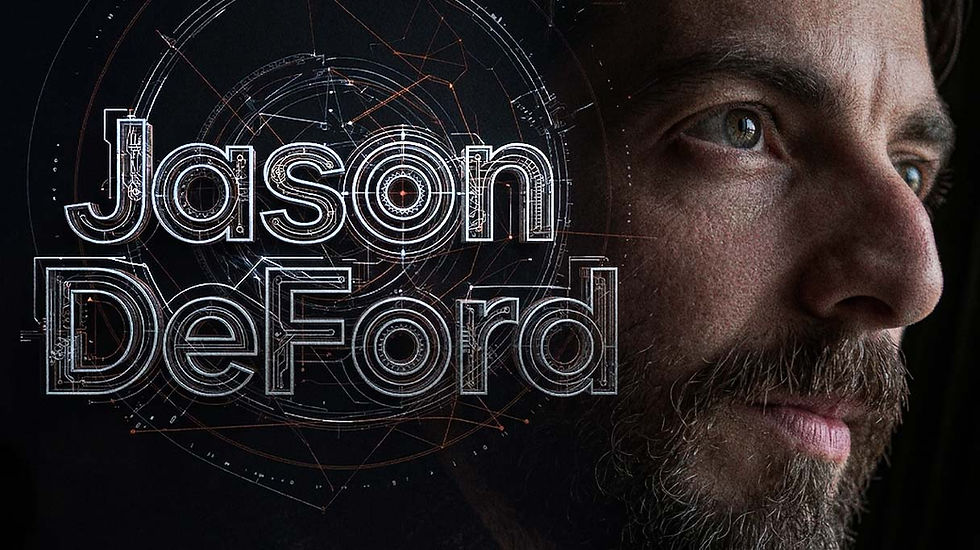
For us, this is more than just another award. It is an important milestone in the film’s journey, and an encouragement to everyone who worked behind the scenes—from the creative direction of co-writer and co-director Jason R. DeFord, to the VFX work that I had the opportunity to supervise, together with the entire NPS team who helped turn images from our imagination into something that could finally appear on screen.
But what I feel is even more valuable than the award itself is what this journey taught me about the way we approach VFX.
One concept that I have been reflecting on is “Low-key VFX”—the use of visual effects in such a seamless way that audiences may barely notice they are there.
It can mean removing unwanted elements from a shot, enhancing an environment, creating atmosphere, or making subtle adjustments that help complete an image without making the audience stop and think, “That was done with VFX.”
Because sometimes, the VFX that works best may be the VFX that nobody notices at all.
Looking back at “Immortal Divide,” I feel this is one of the things the film achieved naturally. VFX was not used simply to demonstrate what we were capable of technically. Instead, it was used to help build the world, establish the atmosphere, and support the storytelling.
This experience made me reflect more deeply on my own work:
Having the tools does not mean we have to use all of them.
It is much like an artist with a full box of paintbrushes. Having every size and shape does not mean we need to use every brush on the same painting. What matters more is understanding what we are trying to create, and how each brush can help make that image more complete.
The same is true in filmmaking.
VFX can be spectacular and highly visible when the story calls for it. But sometimes, VFX needs to step back and remain invisible, allowing the lighting, performances, atmosphere, and story itself to become what the audience remembers.
So for me, the important question is not simply:
“How much VFX can we create?”
but rather:
“Why are we using VFX in the first place?”
And perhaps this lesson extends beyond filmmaking.
In life, we may have many abilities, tools, and opportunities in our hands. But having them does not mean we have to use all of them, nor do we always need to prove to everyone what we are capable of.
Sometimes, knowing what to do—and what to leave simple—is a skill in itself.
The journey of “Immortal Divide” has therefore taught me more than filmmaking or VFX. It has reminded me that great work does not always come from having the most resources. Sometimes, it comes from knowing how to use what we have with the greatest meaning.
From the Second Runner-Up award at the beginning, to the Spirit of Local recognition, and now to Best Visual Effects on an international stage, each festival has given us a different lesson. No single award can define the full value of a film.
But every step of the journey can teach us something.
For me, this is one of the awards I feel most proud of and deeply moved by this year—not simply because it came from an international festival, but because it gave us a chance to pause and look back at where we started, everything we have been through, and how much more there is still to learn.
Thank you to everyone who has been part of the journey of “Immortal Divide”
And thank you for every lesson along the way—lessons that have helped us not only make better films, but also grow as filmmakers.


Comments